
Demystifying Seed Oils: Science vs. Hype
Understanding Seed Oils
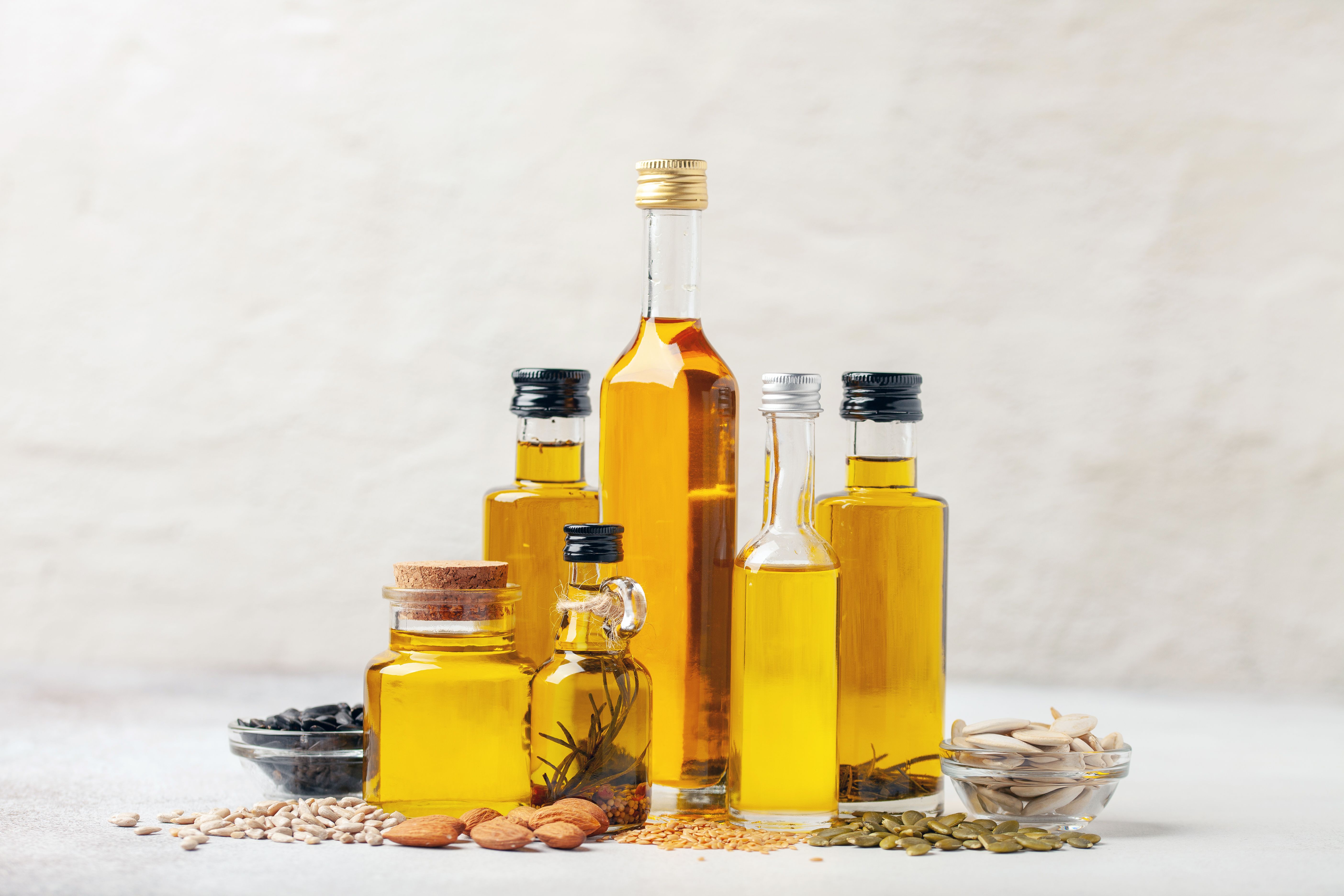
Seed oils have become a topic of interest in recent years, with discussions ranging from their nutritional benefits to concerns over potential health risks. Seed oils, which are extracted from seeds like sunflower, canola, and soybean, are commonly used in cooking and processed foods. Despite their widespread use, there's a lot of confusion surrounding their impact on health.
The Composition of Seed Oils
One of the primary components of seed oils is fatty acids, which include a mix of saturated, monounsaturated, and polyunsaturated fats. Polyunsaturated fats, such as omega-3 and omega-6 fatty acids, are considered essential for human health. However, the balance of these fatty acids is crucial.
Omega-6 fatty acids are prevalent in seed oils, and while they are necessary for brain function and normal growth and development, excessive intake can lead to inflammation and other health issues. It's important to consume these fats in moderation and balance them with omega-3s, which are found in fish oils and flaxseeds.
Debunking Common Myths
The internet is rife with myths about seed oils, often painting them as harmful. However, many of these claims lack scientific backing. Here are some common misconceptions:
- Myth: Seed oils cause chronic inflammation. Reality: While it's true that an imbalance in omega-6 and omega-3 intake can contribute to inflammation, moderate consumption of seed oils as part of a balanced diet does not inherently cause inflammation.
- Myth: Seed oils are toxic. Reality: The notion that seed oils are toxic is unfounded. They are safe for consumption when used appropriately.
The Role of Seed Oils in a Healthy Diet
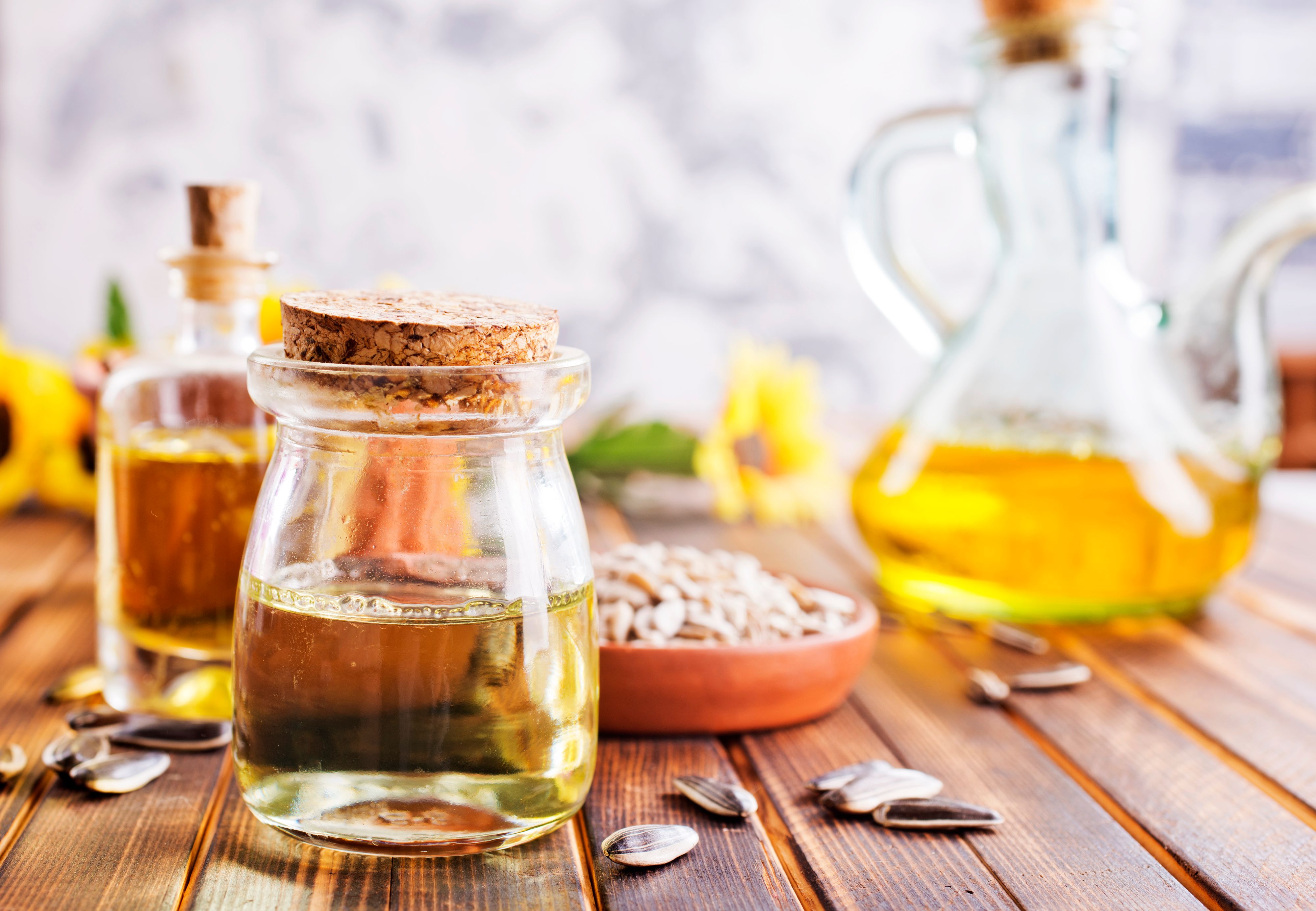
Incorporating seed oils into a healthy diet can offer several benefits. They can provide essential fatty acids that the body cannot produce on its own. Additionally, seed oils are often fortified with vitamin E, an antioxidant that helps combat oxidative stress.
It's essential to use seed oils in moderation, as part of a diverse diet that includes other sources of healthy fats, such as olive oil, nuts, and avocados. This approach helps maintain a healthy balance of nutrients and supports overall well-being.
Choosing the Right Seed Oils
When selecting seed oils, it's crucial to consider their processing methods. Cold-pressed or expeller-pressed oils retain more nutrients compared to those that are heavily refined or processed. Opting for organic and non-GMO seed oils can also help ensure a higher quality product.
Conclusion: Science Over Hype
Understanding the science behind seed oils can help demystify their role in nutrition. While they are not the dietary villains they're sometimes made out to be, like any food product, they should be consumed in moderation within a balanced diet. By focusing on the scientific evidence rather than hype, individuals can make informed choices about incorporating seed oils into their diets.
Ultimately, seed oils can be part of a healthy lifestyle when paired with a well-rounded approach to nutrition. As with any dietary component, balance is key to reaping their benefits while minimizing potential risks.