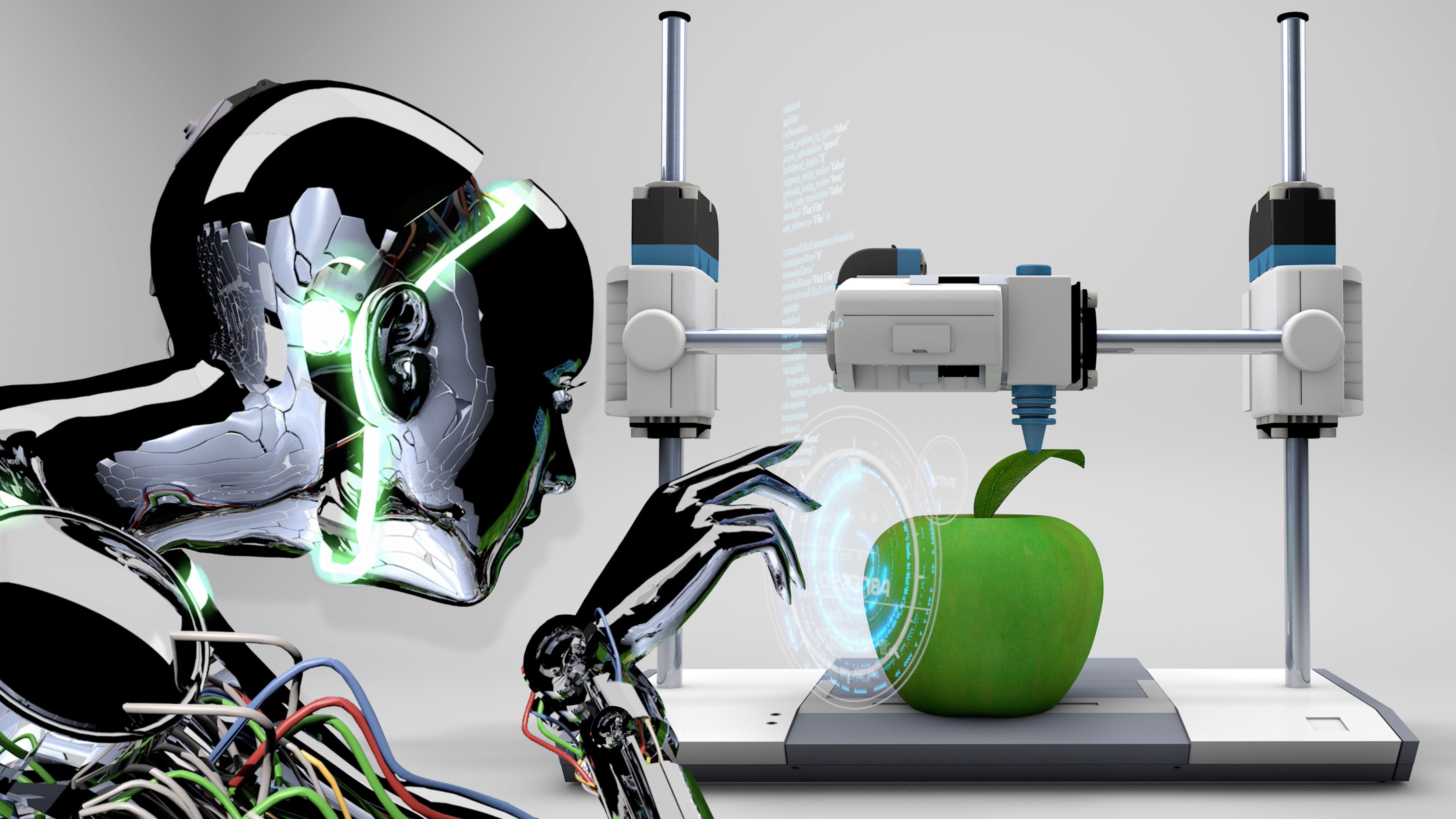
AI's Impact on the Food Industry: Embrace the Change
The Rise of Artificial Intelligence in the Food Industry
The food industry is undergoing a transformative shift, largely driven by the advent of Artificial Intelligence (AI). From enhancing supply chain efficiency to revolutionizing customer experiences, AI is becoming a cornerstone of modern food businesses. Embracing this change is not just an option but a necessity for staying competitive in the fast-evolving market.
AI technologies are being utilized to predict consumer preferences, optimize inventory management, and even create personalized dining experiences. As AI continues to evolve, its integration into the food industry promises to redefine how we produce, distribute, and consume food.
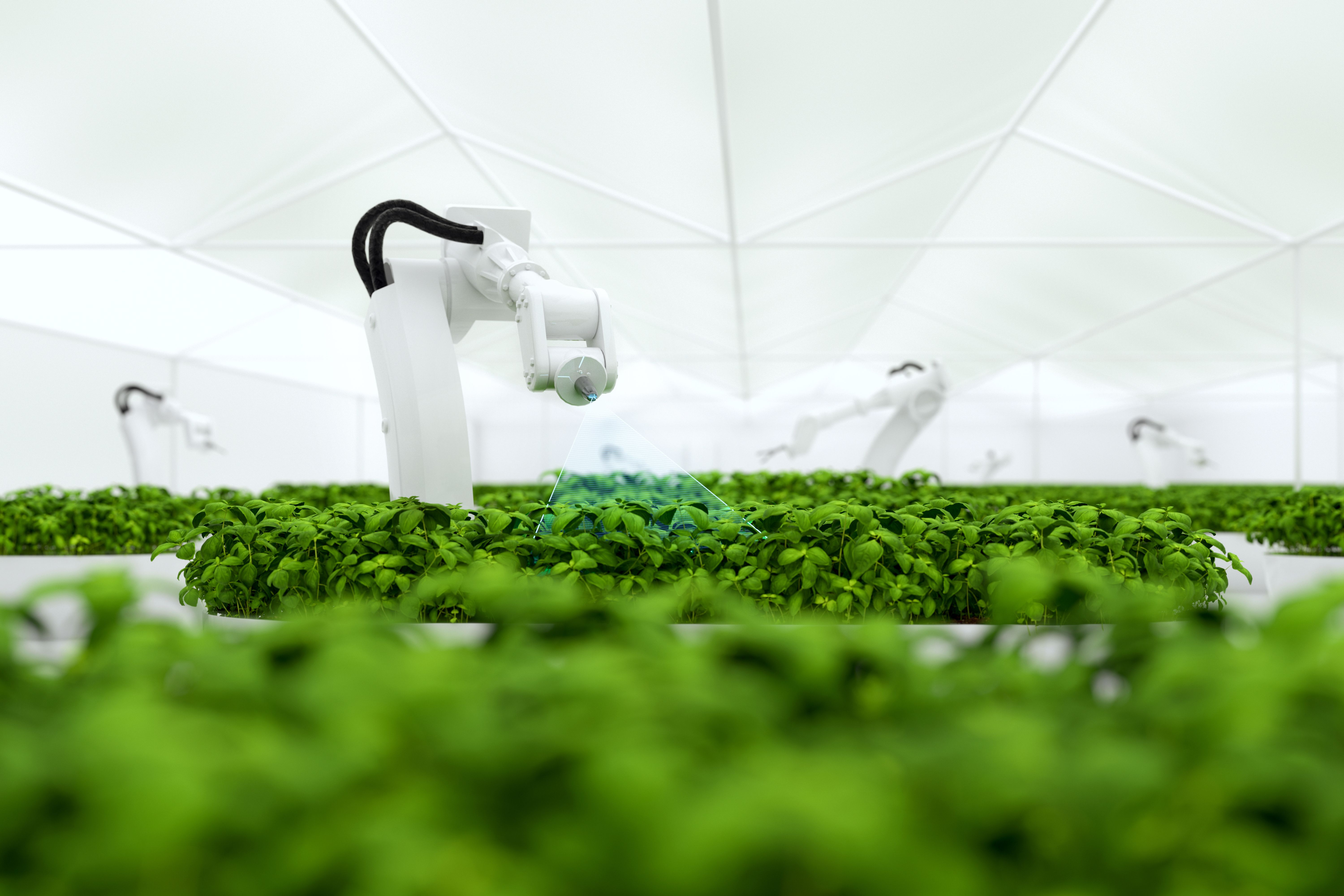
Improving Supply Chain Efficiency
One of the most significant impacts of AI in the food industry is the enhancement of supply chain operations. AI algorithms can analyze vast amounts of data to predict demand, manage inventory, and reduce waste. This not only ensures a seamless supply of products but also helps in minimizing the environmental impact.
By leveraging AI, companies can automate processes such as ordering and replenishment, thereby reducing human error and increasing efficiency. This automation leads to a more reliable supply chain, capable of adapting to fluctuations in demand and unforeseen disruptions.
Reducing Waste Through Predictive Analytics
AI's predictive analytics capabilities are instrumental in reducing food waste. By accurately forecasting demand, businesses can adjust their production and inventory levels, ensuring that resources are used optimally. This not only saves costs but also supports sustainability efforts, making the industry greener and more responsible.

Enhancing Customer Experience
AI is also playing a crucial role in enhancing customer interactions and experiences. From chatbots providing 24/7 customer support to AI-driven recommendation engines suggesting personalized menu options, the technology is making dining more tailored and convenient.
Restaurants and food delivery services are using AI to analyze customer feedback and preferences, enabling them to offer more customized experiences. This personalization fosters customer loyalty and increases satisfaction, driving repeat business.
Personalization and Customization
Consumers today seek unique and personalized experiences, and AI is at the forefront of delivering on this demand. By analyzing customer data, AI systems can offer tailored menu options that cater to individual dietary preferences and restrictions. This level of customization is becoming a key differentiator in the competitive food industry landscape.

Future Prospects and Innovations
The future of AI in the food industry is bright, with endless possibilities for innovation. From AI-driven kitchen robots to smart agriculture practices, the potential applications are vast and varied. These technologies promise not only to enhance efficiency but also to create more sustainable and ethical food production systems.
As AI continues to evolve, it will undoubtedly bring about new challenges and opportunities. The key for businesses is to stay informed and adaptable, embracing these changes to harness the full potential of AI-driven innovations.
Embracing the Change
The integration of AI into the food industry is not merely a trend but a fundamental shift that promises to reshape the sector. Businesses that proactively embrace these changes will be well-positioned to thrive in the future. The time to adapt is now, as AI continues to unlock new possibilities and drive transformative growth.